

The diagnosis of Behavioral Variant Frontotemporal Dementia (bvFTD), Stage 2, for my wife, Kimberly, in October 2022 marked a profound turning point in our lives. This devastating disease altered the very essence of our relationship, gradually erasing the vibrant connection between soul mates, lovers, and best friends—and with it, our shared dreams, humor, companionship, and the future we had envisioned for our retirement.
As the disease progressed, Kimberly, as I had always known her, slowly disappeared. What remained was the innocence and vulnerability of a child within the body of the woman I loved. Despite her cheerful insistence that “I’m doing great,” the stark reality was that the disease ravaging her brain had taken away her ability to function as the independent adult she once was. Tasks that most of us perform without a second thought became insurmountable obstacles for her.
One of the most heartbreaking expressions of her struggle came when she would say, “My head hurts and I don’t know why.” Those words captured the confusion and distress caused by changes she could neither understand nor explain.
Behavioral Variant Frontotemporal Dementia is not simply a disease of old age. It often strikes people in the prime of their lives, challenging the misconception that dementia affects only the elderly. Families can find themselves facing a devastating neurological disease during years that were supposed to be filled with careers, family, travel, retirement plans, and time together. That reality makes awareness, research, caregiver support, and access to appropriate care all the more urgent.
Our journey was made even more difficult by the widespread misunderstanding of bvFTD. To the outside world, Kimberly could appear healthy and normal, which sometimes led to skepticism and a lack of understanding from friends, family, and others. Because the damage caused by this disease is largely invisible, people may not recognize that changes in behavior, judgment, personality, and social awareness are symptoms of a degenerative brain disease—not choices.
The societal expectations placed on someone who “looks normal” can be relentless. Had Kimberly’s illness produced obvious physical signs, she might have more readily received the compassion and understanding she deserved. Instead, we often faced misconceptions and expectations that she should behave in socially conventional ways, even after the disease had taken away her ability to do so.
Frontotemporal dementia is a cruel thief. It progressively takes independence, judgment, personality, relationships, and eventually the person themselves. It also places an extraordinary burden on families and caregivers, who must navigate an often-fragmented system of medical care, long-term care, financial assistance, and caregiver support while simultaneously grieving the gradual loss of someone they deeply love.
For Kimberly, care companions could have been an important part of maintaining her quality of life. I hoped to have assistance for up to eight hours a day to provide her with companionship, supervision, structure, and a sense of normalcy, while also giving me the essential time I needed to rest and recharge so I could continue caring for her. Sadly, despite the tremendous demands of caring for Kimberly, that level of support never materialized, and I was left to carry the overwhelming responsibility of her care largely on my own.
Sadly, Kimberly went to heaven on July 13, 2026.
Her battle with bvFTD is over, but her story—and the lessons learned through caring for her—must not end there. Kimberly’s journey revealed just how difficult it can be for families affected by dementia to find the understanding, resources, respite, and financial support they desperately need.
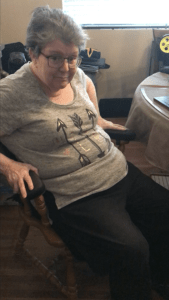
I had imagined that our retirement years would be spent growing older together. Instead, they became years of caregiving, advocacy, heartbreak, and unconditional love. I would have chosen a different journey for us if I could, but I would never have chosen not to walk beside her through it.
Kimberly was so much more than this disease. Before bvFTD began taking pieces of her away, she was my wife, my soul mate, my love, my friend, and the person with whom I planned to share the rest of my life. That is the Kimberly I choose to remember.
Her story now stands as a reminder of why families facing frontotemporal dementia need greater awareness, earlier diagnosis, meaningful caregiver support, affordable long-term care, and continued research toward effective treatments and, ultimately, a cure.
In Kimberly’s memory, I hope her story can help make this journey a little less lonely and a little more compassionate for the families who will unfortunately follow in our footsteps.